
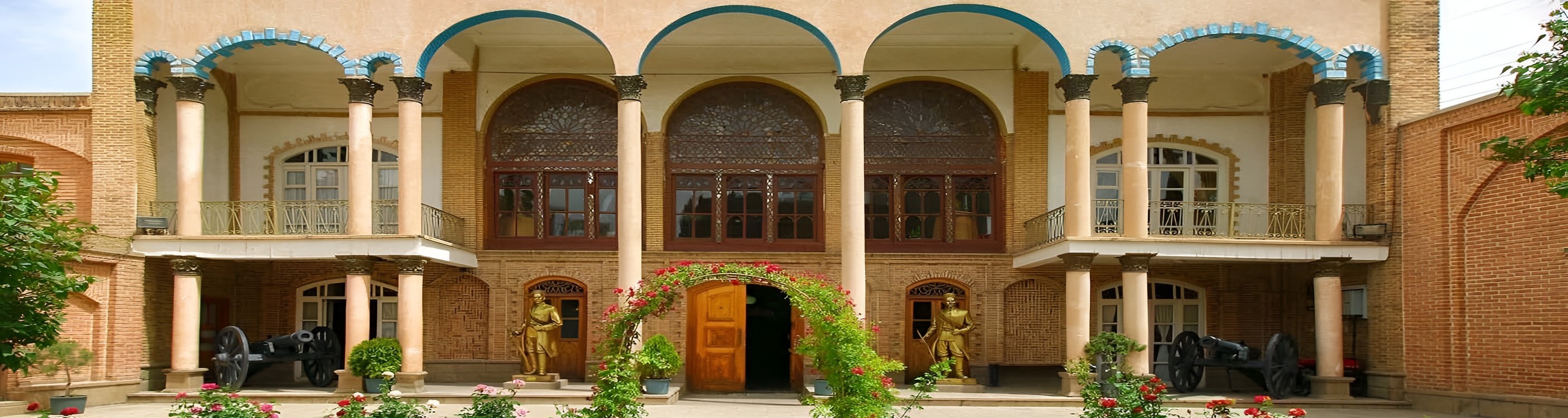
Constitution House of Tabriz: A Legacy of Iran’s Modern Revolution
- Introduction: A Symbol of Freedom and Reform
- History of the Constitution House
- Architectural Features
- Nearby Visiting Attractions
- Cultural Significance and Museum Exhibits
- Conclusion: Preserving the Spirit of Revolution
Introduction: A Symbol of Freedom and Reform
The Constitution House of Tabriz (also known as Khaneh Mashrouteh) is a historic building located in the city center of Tabriz, Iran. It played a crucial role during the Iranian Constitutional Revolution (1905–1911) and served as a gathering place for revolutionaries, activists, and intellectuals. Today, it stands as a museum and symbol of Iran’s fight for democracy, law, and civil rights, attracting history enthusiasts, scholars, and tourists from around the world.
History of the Constitution House
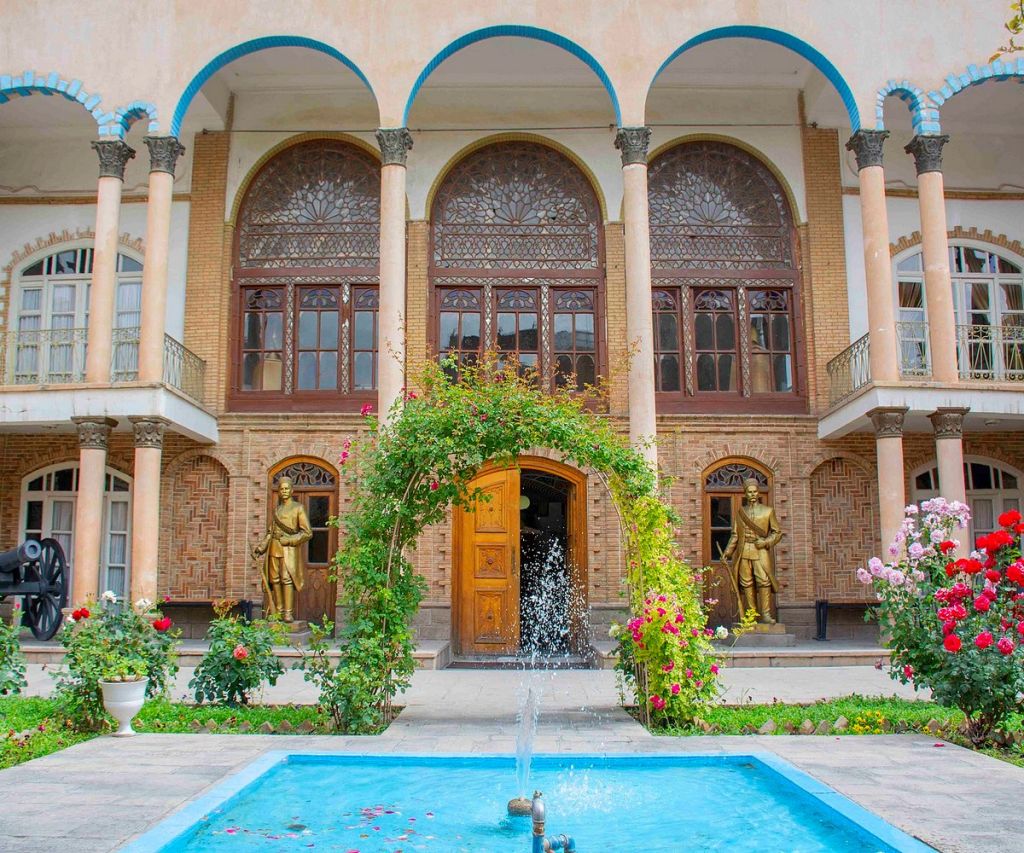
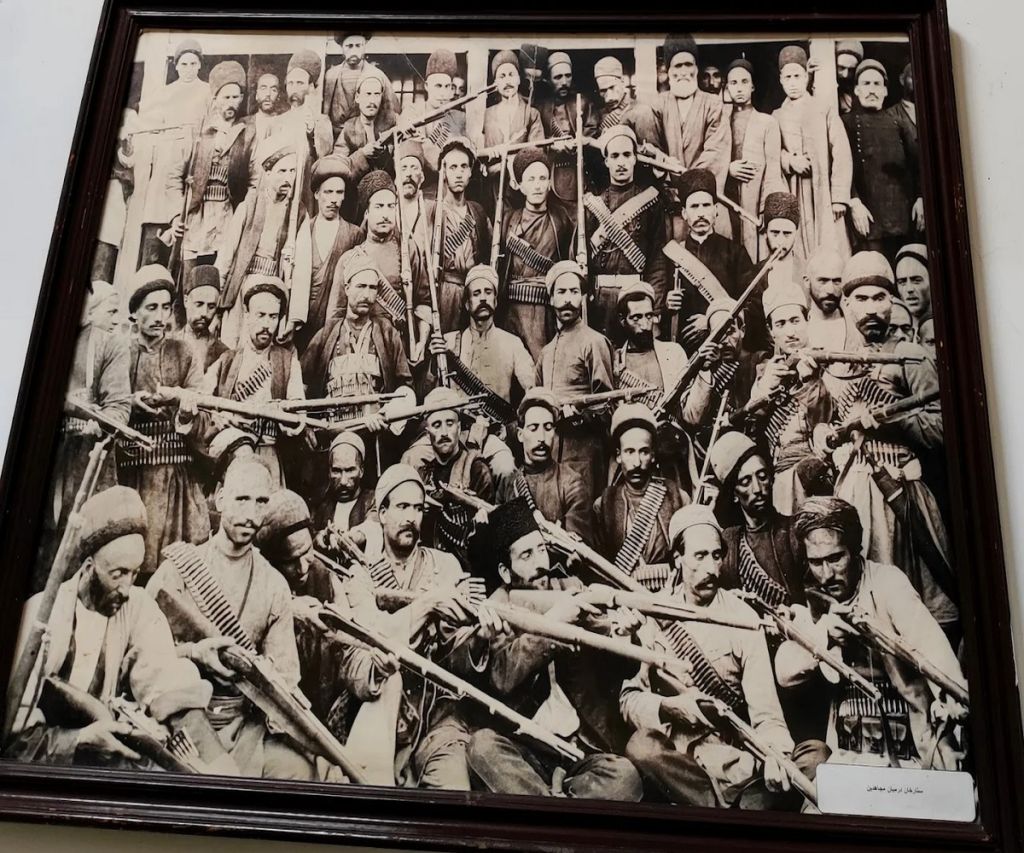
Built during the late Qajar dynasty, the Constitution House became famous in the early 20th century as a center for the Mashruteh Movement, which aimed to limit monarchic power and establish a parliamentary system. The house was owned by Haj Mehdi Koozekonani, a prominent merchant and supporter of the revolution. Many key figures of the movement, including Sattar Khan and Bagher Khan, met here to plan actions and spread political awareness. After the revolution, the house remained a symbolic site of Iran’s modern political awakening.
Architectural Features
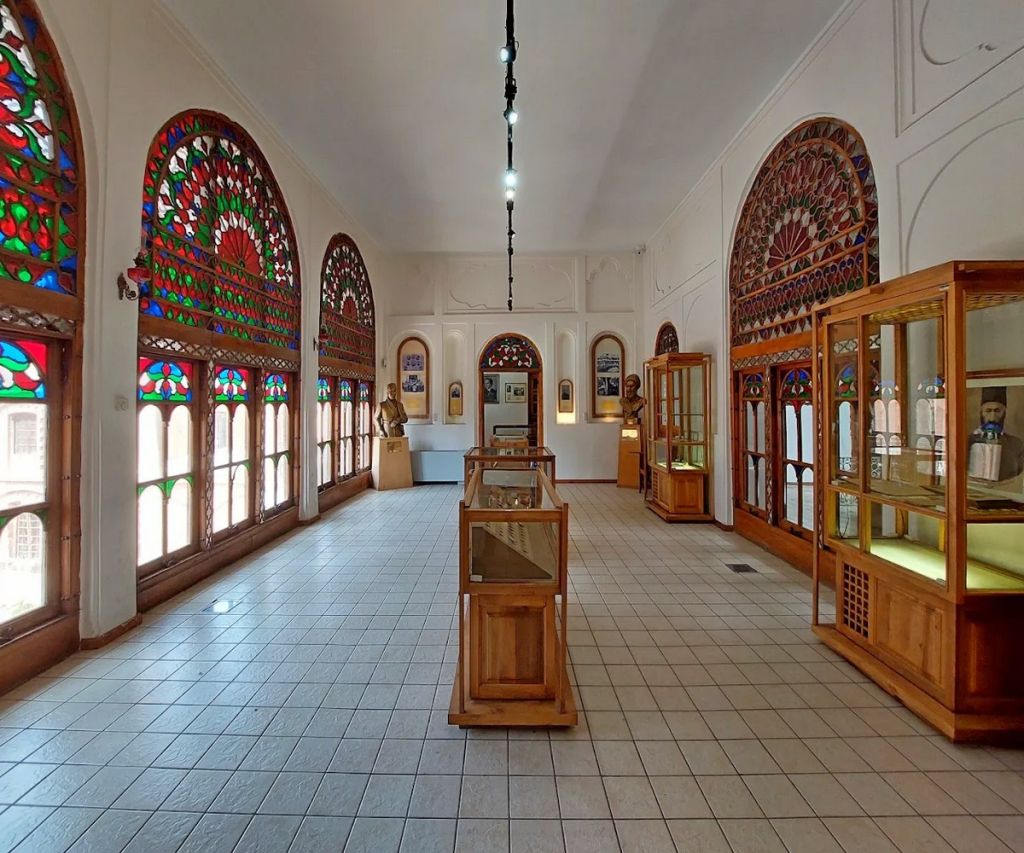
The Constitution House of Tabriz reflects traditional Qajar architecture, characterized by its elegant façade, wooden sash windows (orosi), and stained glass panels. Inside, visitors can see historical photographs, handwritten declarations, weapons, and personal items belonging to revolutionary leaders. The house is two stories high and has a peaceful central courtyard, typical of Persian homes of the era. Despite its modest size, the building’s historical significance and architectural charm make it a must-see for visitors to Tabriz.
Nearby Visiting Attractions
The Constitution House is conveniently located near many of Tabriz’s top attractions. Just a short walk away is the Tabriz Grand Bazaar, a UNESCO World Heritage Site known for its sprawling alleys and rich Persian trade culture. Also nearby are the Blue Mosque (Masjed-e Kabud) with its stunning tilework, the Azerbaijan Museum, and the Arg-e Alishah, a massive citadel from the Ilkhanid era. Together, these sites offer a full picture of Tabriz’s historical, cultural, and political importance.
Cultural Significance and Museum Exhibits
Today, the Constitution House functions as a museum of the Constitutional Revolution, curated to educate visitors about the events and heroes of that era. Exhibits include old typewriters, revolutionary newspapers, and rare documents signed by freedom fighters. The museum also highlights the role of Tabriz as a center of reform and intellectualism in Iran’s modern history. Guided tours provide insightful context and make the experience both informative and moving.
Conclusion: Preserving the Spirit of Revolution
The Constitution House of Tabriz is more than a museum—it is a monument to freedom, justice, and national resilience. As one of Iran’s most important historical landmarks, it captures the essence of the country’s transition from monarchy to constitutional governance. Whether you're a history lover, student, or traveler, a visit to this house offers a profound connection to Iran’s political and cultural heritage. It is a vital part of any journey to Tabriz.
I want to visit
Constitution House of Tabriz






Constitution House of Tabriz
Visitor Information
- Opening Hours:
- Tuesday: 09:00 – 19:00
- Wednesday: 09:00 – 19:00
- Thursday: 09:00 – 19:00
- Friday: 09:00 – 19:00
- Saturday: 09:00 – 19:00
- Sunday: 09:00 – 19:00
- Entrance: Paid
- Cash/Credit Card accepted: Cash
- Region: East Azerbaijan Province
- City: Tabriz
- Address: Shahid Motahari Street, opposite the Grand Mosque
- Postal code: 5137653363
- Phone number: +984135256323
- Is open to public visitors: Yes