
Fire Temple of Isfahan (Atashgah) – A Journey Through Zoroastrian Heritage
- Introduction
- Historical Background
- Location and Accessibility
- Architectural Features
- Religious and Cultural Significance
- Tourism and Preservation
- Conclusion
- Nearby Attractions
Introduction
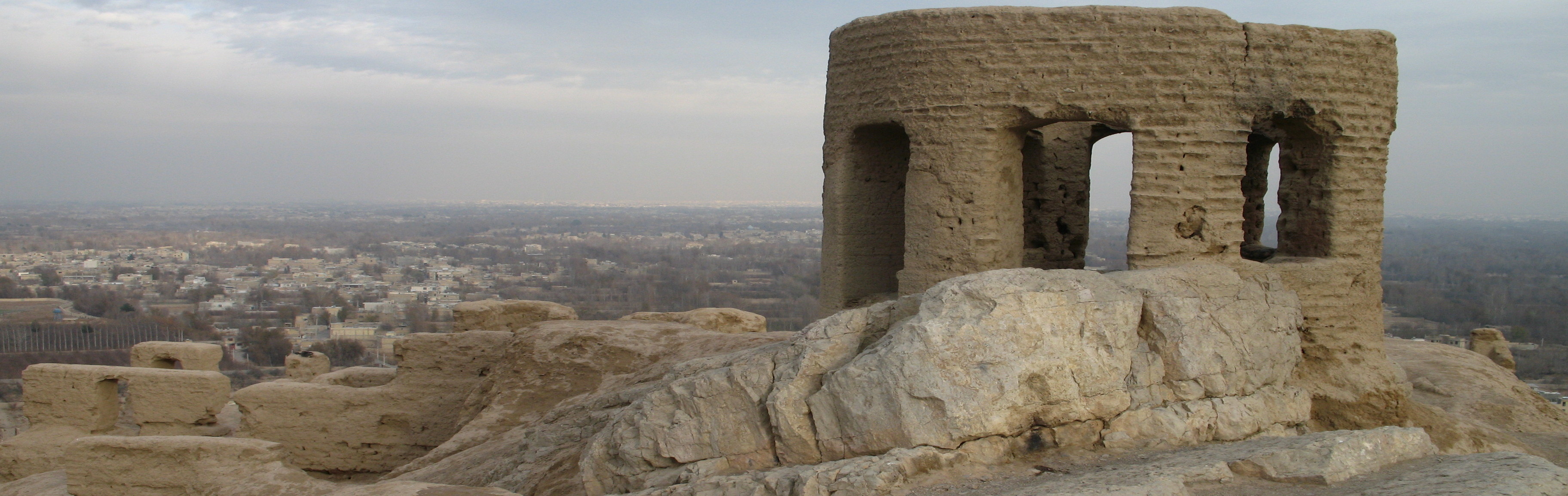
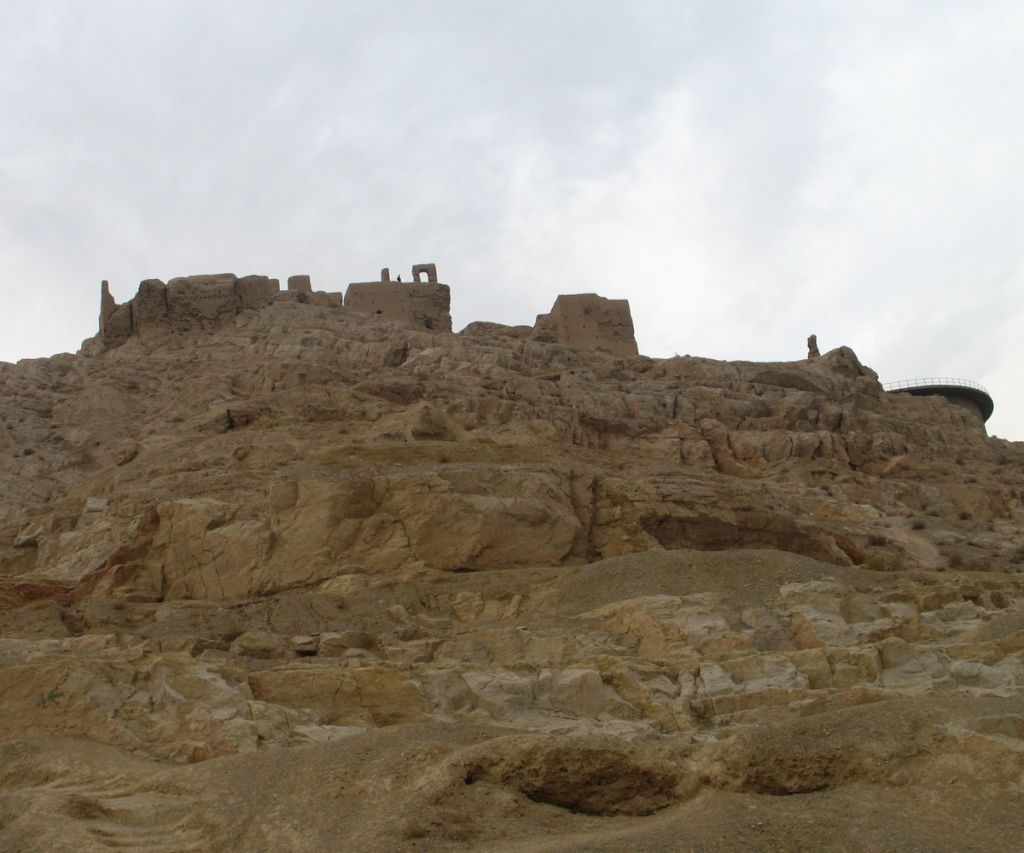
The Fire Temple of Isfahan, also known as Atashgah, is one of the most historically significant and mysterious landmarks in central Iran. Located on a rocky hill just west of Isfahan city, this ancient Zoroastrian temple dates back to the Sassanid era (224–651 AD) and serves as a testimony to Iran’s pre-Islamic spiritual traditions. As one of the few remaining fire temples from ancient Persia, Atashgah holds immense cultural, architectural, and religious value.
Historical Background
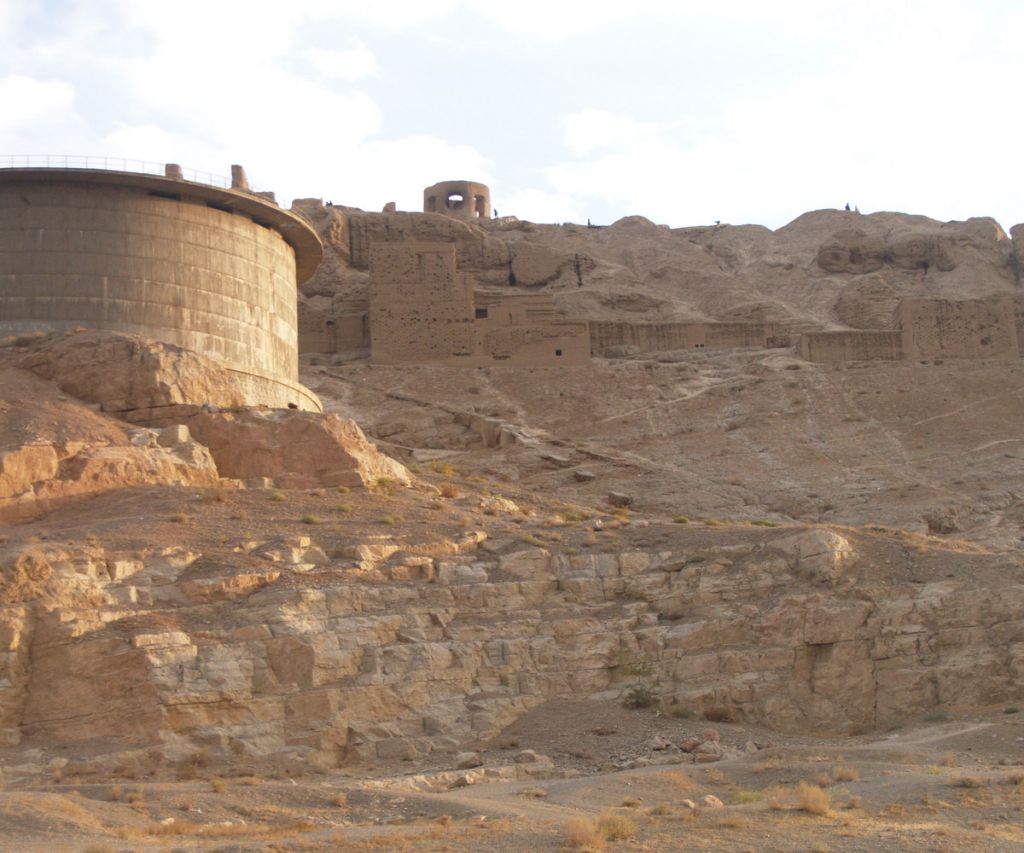
The Atashgah of Isfahan is believed to have been constructed during the late Sassanid period, when Zoroastrianism was the dominant religion in Persia. Fire temples played a central role in Zoroastrian worship, where the sacred fire was kept burning as a symbol of purity and the divine presence of Ahura Mazda, the supreme god in Zoroastrian belief.
While the exact date of construction remains debated, archaeological evidence suggests that the temple was active between the 5th and 7th centuries AD. After the Arab conquest of Persia and the subsequent decline of Zoroastrianism, many fire temples, including this one, fell into disuse or were repurposed.
Location and Accessibility
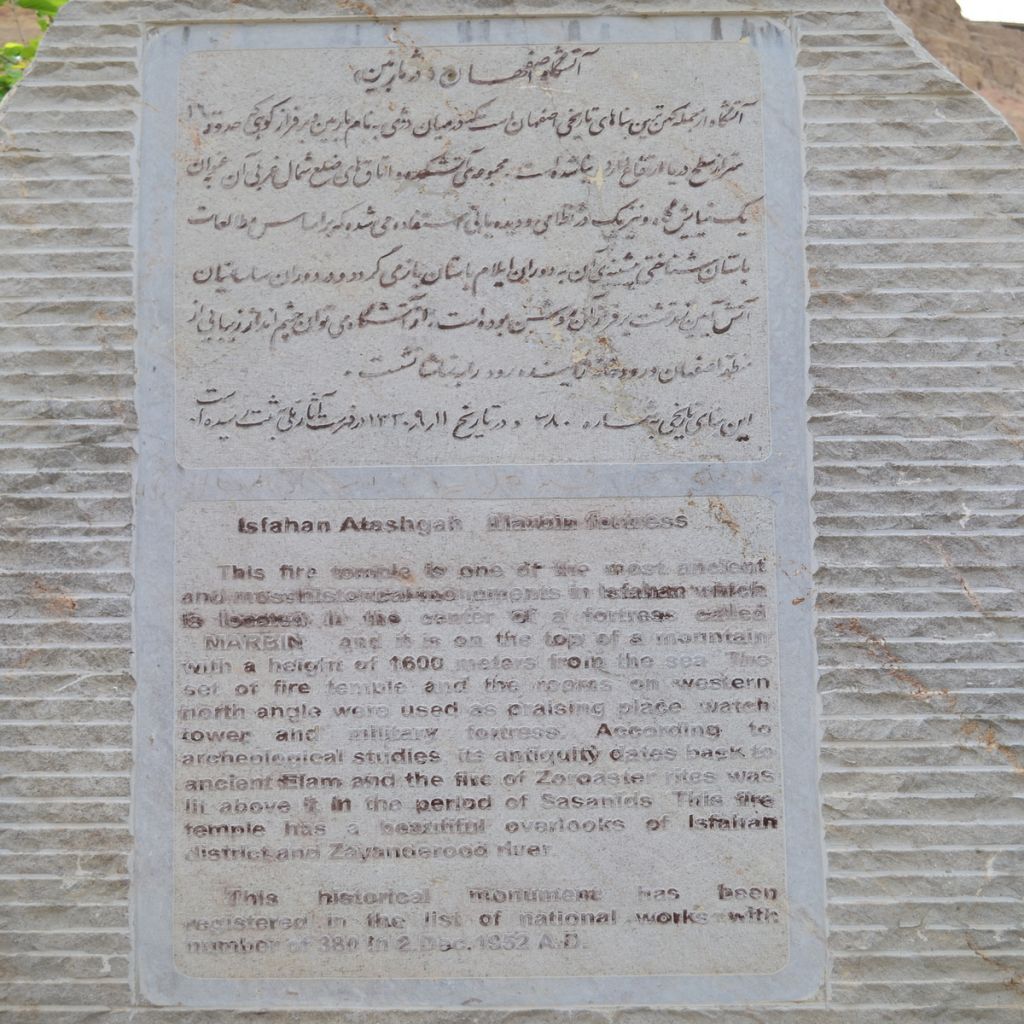
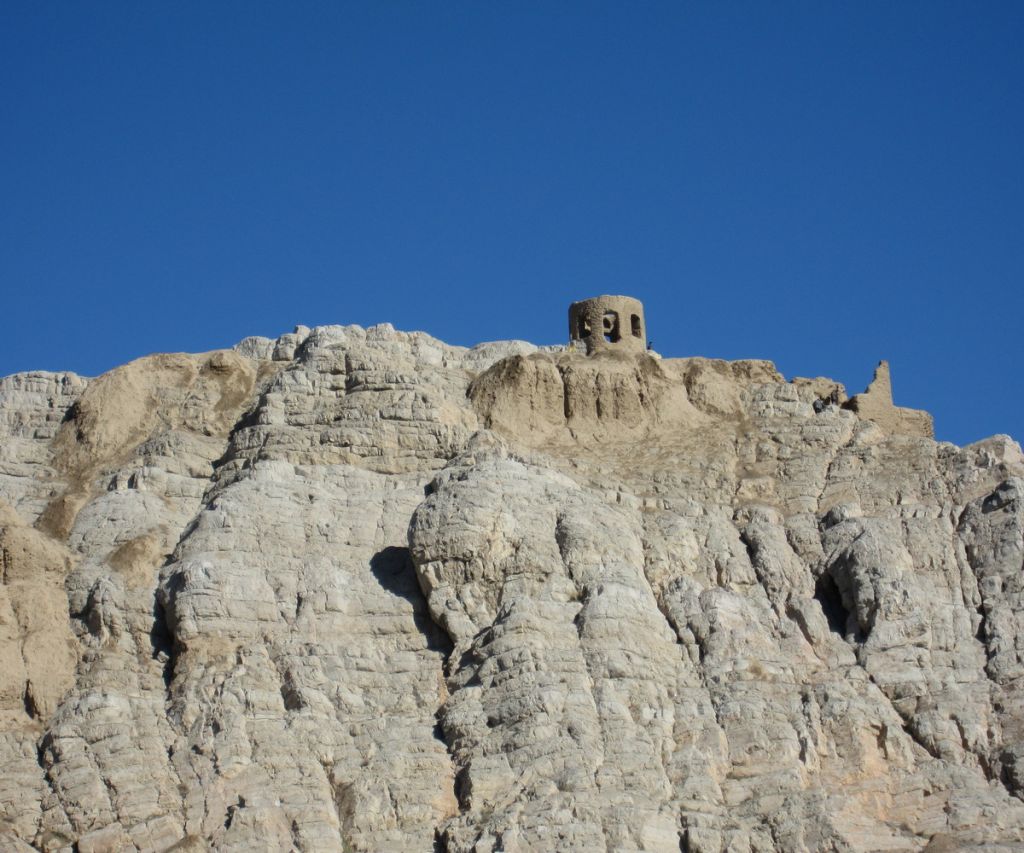
The Fire Temple is perched on Atashgah Hill, approximately 8 kilometers west of Isfahan’s city center. From the base, a steep but manageable hike leads visitors to the summit, offering panoramic views of Isfahan and the surrounding desert plains. Due to its proximity to the city and its accessible trail, the site is a popular destination for history enthusiasts, hikers, and photographers.
Architectural Features
The Atashgah complex is an architectural marvel reflecting Sassanian engineering and design. The site consists of:
- The Main Fire Temple (Chahar Taq): A square-shaped domed structure featuring four openings, typical of Zoroastrian fire temples. The Chahar Taq design was used to house the sacred fire, with its central dome allowing smoke to escape.
- Ancillary Buildings and Caves: Surrounding the temple are smaller chambers, rooms, and man-made caves believed to have been used for rituals, meditation, or storage.
- Fortified Walls: Ruins of defensive structures suggest the site may have also served as a watchtower or refuge, especially during the later Islamic period.
The use of mud bricks, stone, and gypsum mortar reveals much about Sassanid construction methods. Despite centuries of exposure to the elements, much of the structure remains intact, making it an important subject of study for historians and archaeologists.
Religious and Cultural Significance
As a Zoroastrian place of worship, the Atashgah is a rare example of Iran’s pre-Islamic religious architecture. Fire, in Zoroastrianism, is not worshipped but revered as a symbol of truth, order, and righteousness. The continuous burning of the sacred flame was believed to uphold cosmic order and spiritual purity.
The Atashgah of Isfahan serves as a symbol of resilience for Iran’s ancient religions and a reminder of the country’s diverse religious history. It continues to attract attention from Zoroastrians worldwide, many of whom visit to honor their spiritual heritage.
Tourism and Preservation
In recent years, the Iranian government and local authorities have made efforts to protect and preserve the Fire Temple. It is listed as a national heritage site, and access is permitted for both local and international tourists. Although the infrastructure is relatively modest, informative signs and conservation efforts have improved the visitor experience.
Travelers visiting Atashgah are encouraged to:
- Wear comfortable walking shoes for the uphill climb.
- Visit during the early morning or late afternoon to avoid the midday heat.
- Respect the cultural and spiritual importance of the site.
There are no facilities on the hill, so bringing water and sun protection is advisable.
Conclusion
The Fire Temple (Atashgah) of Isfahan stands as a timeless monument to Iran’s ancient past. Its historical depth, architectural beauty, and spiritual aura make it one of the most intriguing archaeological sites in Iran. For anyone interested in Zoroastrianism, Persian history, or early religious architecture, a visit to the Atashgah is a must-see experience.
Nearby Attractions
You can visit explore other major historical sites in Isfahan which is located near The Fire Temple:
I want to visit
Fire Temple of Isfahan






Fire Temple of Isfahan
Visitor Information
- Opening Hours:
- Monday: 08:00 – 17:00
- Tuesday: 08:00 – 21:00
- Wednesday: 08:00 – 21:00
- Thursday: 08:00 – 21:00
- Friday: 08:00 – 21:00
- Saturday: 08:00 – 21:00
- Sunday: 08:00 – 21:00
- Entrance: For free
- City: Isfahan
- Address: Atashgah, Atashgah Boulevard, Atashgah Pass
- Postal code: 8144714813
- Phone number: +983132235112
- Is open to public visitors: Yes