
Malek Mosque of Kerman: A Masterpiece of Seljuk-Era Islamic Architecture
- Introduction: The Spiritual Heart of Kerman
- History: A Seljuk Legacy Built for Eternity
- Architecture: Grandeur in Brick and Geometry
- Nearby Visiting Attractions
- Cultural Significance and Preservation
- Conclusion: A Timeless Jewel of Kerman’s Historic Landscape
Introduction: The Spiritual Heart of Kerman
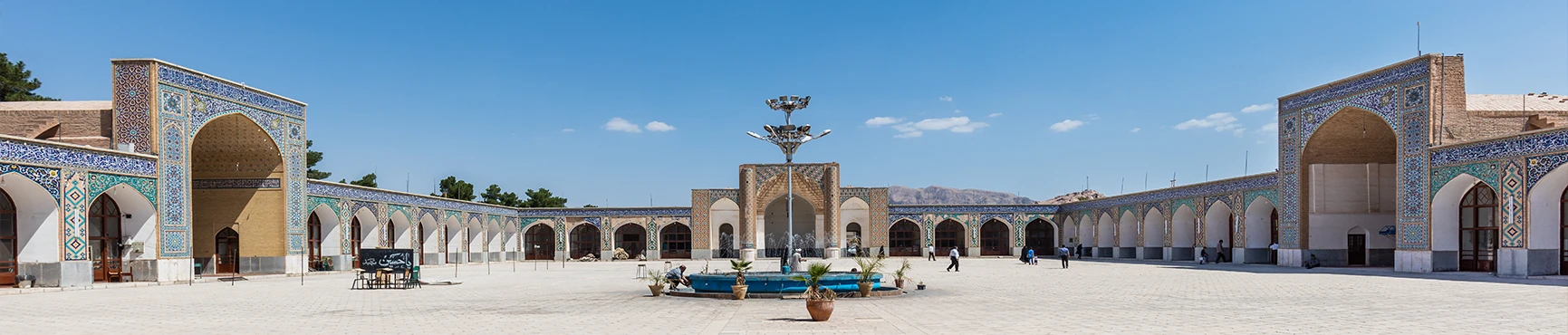
Located in the historical center of Kerman, Iran, the Malek Mosque (Masjed-e Malek) is one of the city’s oldest and most significant religious sites. Dating back to the Seljuk period, this grand mosque stands as a testament to Iranian-Islamic architecture and continues to attract worshippers, historians, and tourists alike. As one of the largest mosques in southeastern Iran, it plays a vital role in both the spiritual and cultural life of the region.
History: A Seljuk Legacy Built for Eternity
The Malek Mosque was built in the 11th century during the reign of Malek Kaverd, a ruler of the Seljuk dynasty. Its construction reflected the Seljuks’ ambition to establish Kerman as a cultural and religious hub on the Silk Road. Over the centuries, the mosque has witnessed various historical events and undergone multiple restorations, especially during the Safavid and Qajar eras, preserving its original structure while adding decorative layers reflective of evolving artistic styles.
Architecture: Grandeur in Brick and Geometry
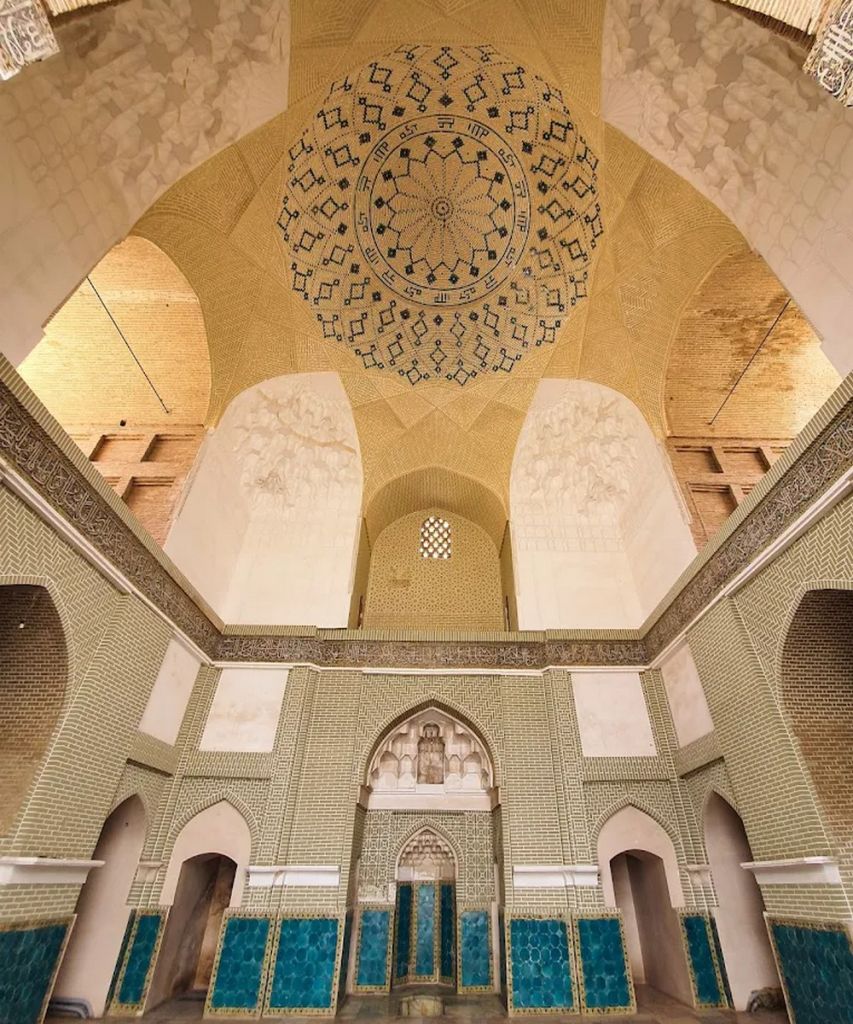
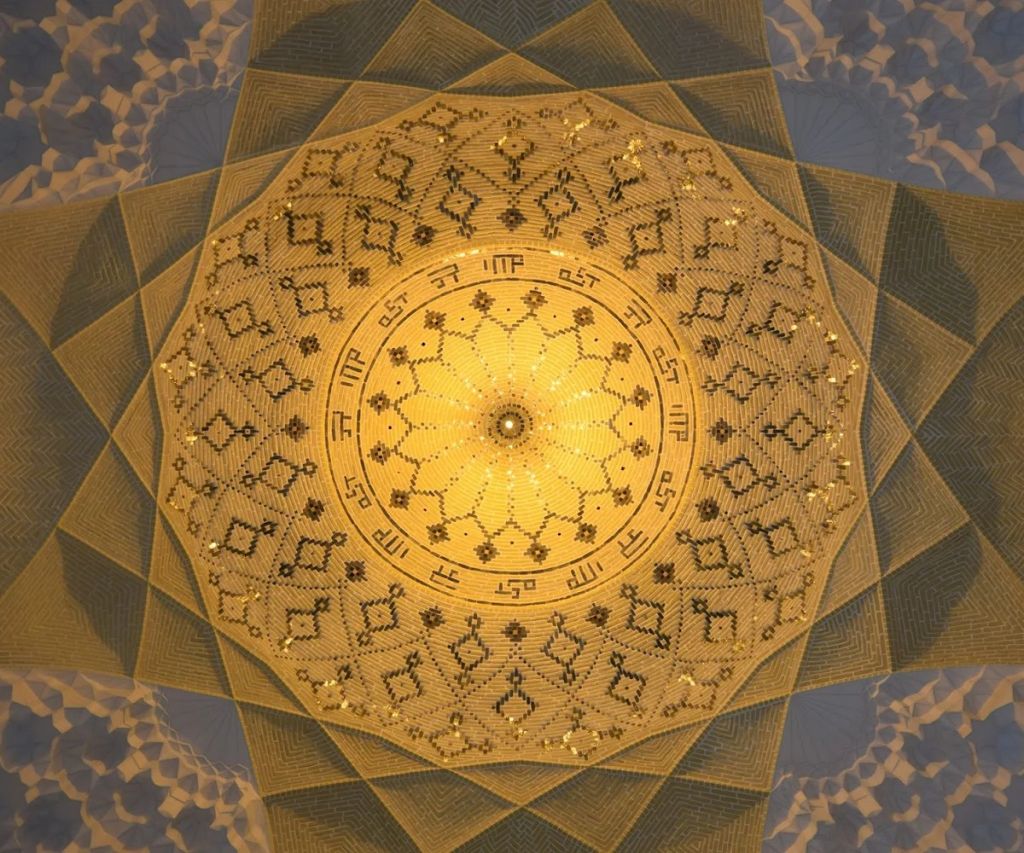
Designed in the traditional four-iwan plan, the Malek Mosque architecture showcases intricate brickwork, lofty iwans (vaulted halls), and a vast open courtyard. The central dome, resting on a square base, demonstrates early experimentation in Persian dome construction. Noteworthy features include the muqarnas (stalactite vaulting), calligraphic inscriptions, and geometric tilework that highlight the sophistication of Seljuk craftsmanship. The mosque’s brick minaret, once one of the tallest in Kerman, stands as a symbol of spiritual guidance and architectural prowess.
Nearby Visiting Attractions
A visit to the Malek Mosque offers more than a spiritual experience—its central location makes it ideal for exploring other nearby attractions. Within walking distance is the famous Ganjali Khan Complex, featuring a historic bathhouse, bazaar, and caravanserai. The Kerman Grand Bazaar, one of the oldest in Iran, offers authentic local crafts and spices. Also nearby is the Jabaliyeh Dome, a mysterious octagonal stone structure with Zoroastrian roots. These sites collectively offer a rich glimpse into Kerman’s historic urban fabric.
Cultural Significance and Preservation
As a symbol of Islamic and Persian heritage, the Malek Mosque remains an active place of worship and a cultural monument. Ongoing restoration projects aim to preserve the mosque’s historical identity while ensuring its accessibility to future generations. Recognized by Iranian cultural authorities and listed as a national heritage site, the mosque continues to inspire architects, researchers, and pilgrims from around the world.
Conclusion: A Timeless Jewel of Kerman’s Historic Landscape
The Malek Mosque of Kerman is not only an architectural gem but also a living chapter of Iran’s rich cultural history. Its grandeur, craftsmanship, and historical depth make it a must-see destination in Kerman for anyone interested in Islamic art, Persian architecture, and spiritual heritage. Whether you are a scholar, a traveler, or a local resident, the mosque offers a profound connection to a centuries-old legacy still thriving in modern Iran.
I want to visit
Malek Historical Mosque






Malek Historical Mosque
Visitor Information
- Opening Hours:
- Monday: 05:00 – 22:00
- Tuesday: 05:00 – 22:00
- Wednesday: 05:00 – 22:00
- Thursday: 05:00 – 22:00
- Friday: 05:00 – 22:00
- Saturday: 05:00 – 22:00
- Sunday: 05:00 – 22:00
- Entrance: For free
- Region: Kerman Province
- City: Kerman
- Address: Motahari, Imam Khomeini St., corner of Alley 16, Imam Khomeini Mosque
- Postal code: 7618963117
- Phone number: +983432220533
- Is open to public visitors: Yes